Rodent prevention tips for Melbourne residents
A practical guide to keeping rats and mice out of your home
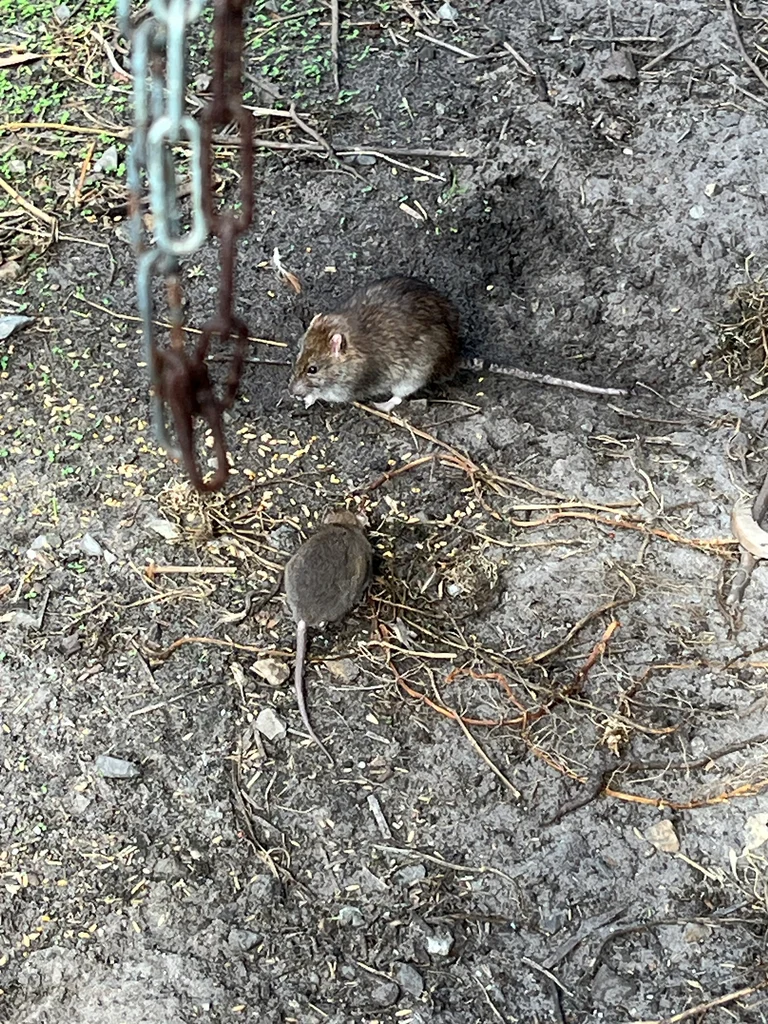
Dozens of young a year
One pair of mice can produce dozens of offspring in a year, so a few soon become a colony.
Health risks
Droppings and urine end up in cupboards, on counters and in roof space insulation, and they can spread illness.
Fire risk
Rats and mice gnaw wiring, and chewed wires can start a fire.
All three get worse the longer rodents stay. With good prevention and early action, you can keep your Melbourne home rodent-free. Our wet winters and the hedges, ivy and fruit trees common across the Melbourne area give roof rats and Norway rats cover and food, so prevention matters year-round.
Essential prevention strategies
Remove food sources: rats and mice stay where there's an easy meal, inside and out.
Seal entry points: a mouse needs a gap only about 6 mm wide, the width of a pencil.
Reduce shelter: clutter, woodpiles, ivy and dense hedges give rodents cover right next to the house.
Store food in airtight containers
Clean up spills right away
Keep garbage and green bins sealed
Don't leave pet food out overnight
Clean behind appliances regularly
Check gaps around pipes (10 mm is enough for a rat to get started)
Seal foundation cracks
Repair damaged screens and vent covers
Install door sweeps
Use steel wool and caulk for small gaps
Keep storage areas organized
Store firewood away from the house
Trim tree and hedge branches back from the roofline
Remove ivy and dense vegetation from walls
Keep stored items off the floor
Spot the signs early
Rats and mice are most active at night, so you usually find the evidence before you see the animal.
Check the roof space, the crawl space, the garage and the cupboards under the sinks first.
Droppings: small dark pellets 3 to 6 mm long (mice) or larger (rats)
Gnaw marks: fresh marks on wood, plastic and wires
Grease marks: dark smears along walls and skirting boards
Nests: shredded paper, fabric and plant material
Scratching sounds: in walls or the ceiling at night
Musky odour: a distinctive smell, especially in enclosed areas
Pet behaviour: dogs or cats showing interest in certain spots
Damaged packaging: holes in food bags or boxes
Mice vs rats: know the difference
Mice and rats leave similar signs, but they behave differently and need different treatment, so it pays to know which one you have.
Roof rats climb hedges, ivy and wires into roof spaces, Norway rats burrow under sheds, decks and foundations, and mice nest inside walls, cupboards and storage boxes.
If you're already finding signs, it's time for professional rodent control.
Our Mice & Rats service covers inspection, strategic baiting, entry point sealing advice and follow-up monitoring.
Have a question first? Send the quote form any time with what you're seeing, and we'll be in touch.
Insight Pest Solutions is a licensed and insured local team serving Melbourne. We quote before we start, with no obligation.
Once the rats and mice are gone, the Quarterly Protection plan keeps them out, with a visit every three months and free call-backs between visits.
If covered pests come back between scheduled visits, we come back and re-service at no extra cost.
Don't let rodents damage your home or put your household's health at risk. They breed fast and keep chewing wiring and insulation, so every week you wait adds to the damage.
Not sure whether it's mice or rats? Compare them below, then Request a quote online for our Mice & Rats service.
Mouse size: 3 to 10 cm body
Mouse droppings: 3 to 6 mm, pointed
Mouse tail: about as long as the body
Mouse behaviour: curious, explores new objects
Mouse entry gap: 6 mm (pencil width)
Rat size: 15 to 25 cm body (roof rats and Norway rats)
Rat droppings: 12 to 18 mm, blunt
Rat tail: shorter than the body on Norway rats, longer on roof rats
Rat behaviour: cautious of new objects
Rat entry gap: about 20 mm (thumb width)
Frequently asked questions
What's the difference between rats and mice?
Mice are smaller (3 to 10 cm body), have pointed droppings and are curious. Rats are larger (15 to 25 cm body), have blunt droppings and are cautious. Mice can fit through 6 mm gaps and rats through about 20 mm. Roof rats climb into roof spaces, while Norway rats burrow under sheds and foundations. Treatment differs, which is why correct identification matters.
Are rodent baits safe for pets?
Professionals like Insight Pest Solutions place bait in tamper-resistant stations that pets can't reach, applied to label directions. Always tell your technician about pets so they can take the right precautions.
Why do I have rodents if my house is clean?
Rodents look for shelter, water and food, and a clean house can still offer shelter. Gaps around pipes, damaged screens or unsealed foundations are often the real issue. A technician can find why rodents are getting into your property.
How quickly can a rodent problem get out of control?
Very quickly. A single pair of mice can produce dozens of offspring a year, and rats multiply fast too. If you see signs of rodent activity, contact us and we will book the earliest slot we have.
What should I do if I find a dead rodent?
Wear gloves, double-bag it and put it in your garbage, not the compost. Clean the spot with a household cleaner and wash your hands afterwards. If you find more than one, or the problem keeps coming back, you likely have an ongoing infestation that needs professional treatment.